Whispers of the Open Road: Where Journeys Rewrite Your World
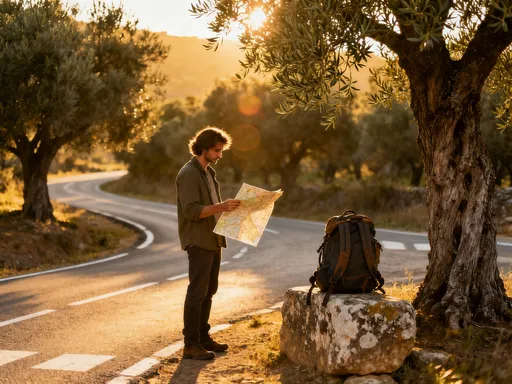
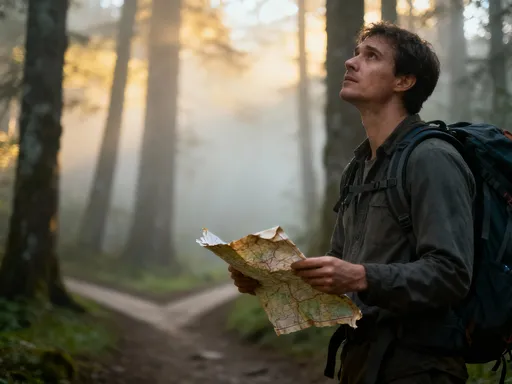
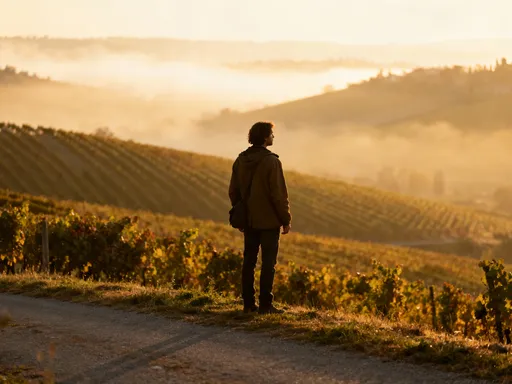
Travel is more than movement—it’s transformation disguised as destination. Every path chosen shapes perception, every culture encountered quietly recalibrates the soul. In an age of curated itineraries and overcrowded hotspots, the true art of travel lies not in ticking boxes, but in deep, intentional experience. Purposeful destination selection, mindful engagement, and practical preparation converge to elevate a simple trip into a life-shaping journey. This is the quiet revolution of modern exploration: thoughtful, grounded, and rich with unseen rewards. The open road whispers not of escape, but of return—to oneself, to presence, to a world far wider than we once believed.
The Mindset of Movement
The journey begins long before departure—in the quiet shift of the traveler’s mind. There is a fundamental difference between being a tourist and becoming a traveler, one that goes beyond passport stamps and itinerary maps. A tourist collects sights; a traveler absorbs meaning. Experiential travel is defined by presence, curiosity, and openness—qualities that transform every exchange, from a shared smile with a street vendor to silent contemplation in an ancient temple. Studies from the Journal of Personality and Social Psychology reveal that individuals who engage in culturally immersive travel demonstrate heightened cognitive flexibility and emotional resilience. Exposure to unfamiliar environments stimulates neural pathways associated with creativity, allowing travelers to return home not just with souvenirs, but with renewed ways of thinking.
What drives this yearning for meaningful movement? For many, it is a response to the predictable rhythms of modern life—commutes, screens, routines that blur one day into the next. Travel, when approached with intention, becomes a form of reawakening. It is not about fleeing responsibility, but about reclaiming perspective. The act of stepping into another world, even briefly, enables a deeper understanding of one’s own. This psychological recalibration does not happen automatically. It requires a deliberate shift in mindset—from consumer of experiences to participant in them. Awareness is the first and most vital tool in this transformation.
How, then, does one cultivate such awareness before the journey even begins? Practical rituals can lay the foundation. A digital detox in the week leading up to departure can recalibrate attention, reducing dependency on constant stimulation and creating mental space for observation. Journaling is another powerful ally. Simple prompts like "What do I hope to feel?" or "What am I willing to let go of?" invite introspection and set emotional intentions. Some travelers write a letter to themselves, to be opened at the midpoint of the trip, offering a reflection on initial expectations versus emerging experiences. These acts are not merely preparatory; they are ceremonial, marking the transition from the ordinary to the exploratory.
Intention-setting becomes a compass. Whether the goal is to reconnect with a sense of wonder, deepen cultural understanding, or simply slow down, clarity of purpose shapes every decision that follows. A traveler who seeks stillness will choose different paths than one chasing adrenaline. Emotional readiness—the willingness to be surprised, to feel discomfort, to embrace the unfamiliar—is just as important as a passport or travel insurance. The mindset of movement is not about perfection; it is about presence, patience, and a gentle openness to what the world offers.
Mapping Meaning: Choosing with Intention
Every journey starts with a choice—not of flights or hotels, but of destination. And in that decision lies an opportunity for alignment: Does this place reflect what I seek? The era of unchecked tourism has left many iconic destinations strained—Venice grappling with cruise ship overcrowding, Machu Picchu limiting daily entries, Kyoto pleading with visitors to respect residential neighborhoods. These realities underscore a growing imperative: to travel not just responsibly, but meaningfully. Choosing a destination should be less about popularity and more about resonance.
Data from the United Nations World Tourism Organization shows that over 50% of global tourists visit just 10% of the world’s countries. This concentration not only burdens infrastructure but dilutes the quality of experience for travelers. In contrast, lesser-known regions often offer deeper cultural authenticity, greater access to local life, and a slower pace conducive to genuine connection. Consider the Alentejo region of Portugal, where rolling cork forests stretch toward sleepy villages and time feels measured in bread-baking and birdcall. Or southern Ecuador’s Loja province, where indigenous markets thrive and music spills from open windows each evening. These places do not appear on every influencer’s feed, yet they offer something rarer: the uncurated truth of daily life.
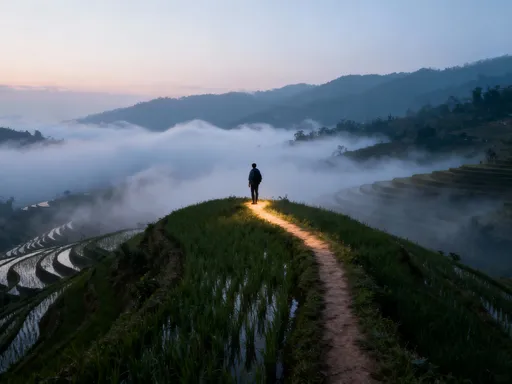
Intentional selection begins with honest self-inquiry. What do I seek? Rest, adventure, creative inspiration, cultural depth, or spiritual renewal? A traveler craving stillness might find it in the misty hills of northern Thailand rather than the bustle of Bangkok. Someone drawn to artisanship may prefer the ceramic workshops of Oaxaca to the all-inclusive resorts of Cancun. Energy levels matter too. A solo traveler in her fifties may opt for a gentle cycling tour through Tuscany rather than a high-altitude trek in Nepal. Matching destination to personal rhythm increases the likelihood of fulfillment.
Of course, feasibility must be considered. Visa requirements, flight times, safety advisories, and budget all play roles. But these logistical factors should support, not override, personal alignment. A destination that nourishes the spirit is worth planning around. Tools like travel forums, cultural documentaries, and virtual tours can help simulate a place’s atmosphere before booking. The goal is not perfection, but resonance. When the outside world mirrors an inner longing, travel becomes not just a break, but a meaningful conversation between self and world.
The Rhythm of Arrival: Designing Your First 24 Hours
The first day of travel sets an emotional tone as powerful as a first impression. How one arrives—in body, mind, and spirit—influences the entire journey. Rushing from airport to landmark, suitcase wheels clattering, eyes scanning maps, creates a mindset of consumption. In contrast, beginning with slowness invites immersion. The early hours are not lost time to be optimized, but sacred ground where presence takes root. This is the rhythm of arrival: not urgency, but awareness.
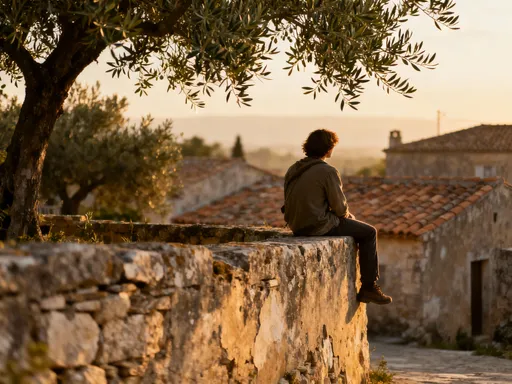
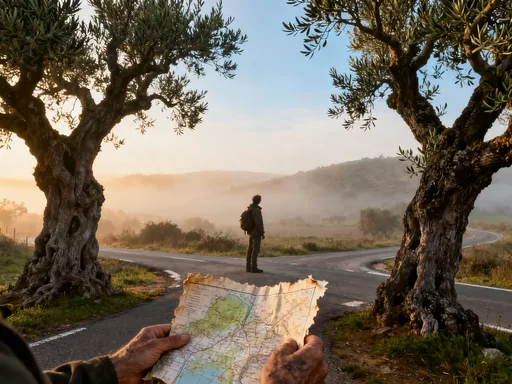
Imagine stepping into a small city in southern Spain at dawn. The air carries the scent of orange blossoms and freshly baked bread. A street cleaner hums a folk tune while sweeping cobblestones still cool from night. At the corner market, vendors arrange pyramids of ripe figs and olives, their hands moving with practiced ease. This is not a scene to photograph and move on from—it is an invitation to witness, to listen, to breathe in the local tempo. Studies in environmental psychology suggest that sensory engagement within the first hours of arrival reduces travel anxiety and increases feelings of belonging, however temporary.
A thoughtful first day unfolds like a gentle unfolding. Begin with a walk, unguided and unhurried. Leave the map behind. Let curiosity, not GPS, lead the way. Stop at a neighborhood cafe and order with a simple greeting in the local language—even if it’s just "Buenos días" or "Grazie." Observe the rituals: how people stand, how they drink their coffee, whether they linger or move briskly. These details form a silent language, one that deepens understanding faster than any phrasebook.
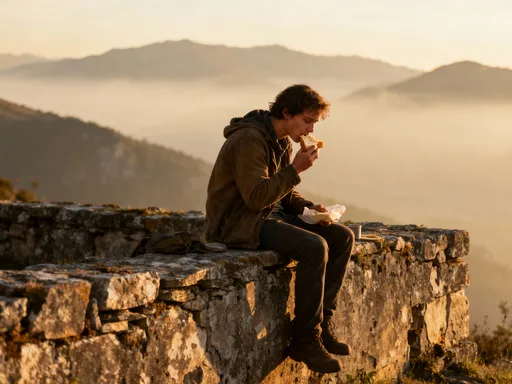
Practical steps can anchor this approach. Visit a local market in the morning, not for souvenirs, but to see where residents shop. Notice what’s in season, what’s piled high, what’s sold from wooden carts. Buy a piece of fruit, a loaf of bread, and eat it on a nearby bench. Choose a family-run restaurant for the first meal, guided by locals rather than review scores. These small decisions build a narrative of respect and curiosity. The goal is not to "see everything," but to feel something true. When the first 24 hours are shaped by presence rather than productivity, the rest of the journey follows in kind.
Beyond the Guidebook: Cultivating Authentic Encounters
The most memorable moments of travel rarely appear in brochures. They happen in the in-between: a shared umbrella in a sudden rainstorm, a grandmother offering tea in her mountain home, a chance meeting at a bus stop that leads to an impromptu village festival. These encounters are not found by following crowds, but by stepping off the well-trodden path and into the fabric of daily life. The guidebook offers landmarks; authenticity lives in the living.
Consider a traveler in northern Thailand who, instead of joining a tour group, takes a local songthaew (shared truck) to a rural market. There, she watches artisans weave silk by hand, their fingers moving like water over loom. When she asks, "Where do you go to relax?" rather than "What should tourists see?" the conversation shifts. An invitation follows—to a nearby hot spring where families gather at dusk. Such moments are not accidental. They are the result of a simple but profound question: How can I connect, not just observe?
Authenticity flourishes when routine becomes ritual. Walking is the most accessible gateway. A daily stroll through residential streets, not tourist zones, reveals how people live: laundry flapping from balconies, children playing in courtyards, elders sipping tea under awnings. Eating locally grown food at neighborhood eateries supports communities and deepens flavor memory. Observing—truly observing—is a radical act in a world of distractions. What music plays in the background? How do people greet each other? These details form the heartbeat of a place.
Participation enhances connection. Riding local transit, attending a community event, or joining a brief workshop—such as pottery in Morocco or cooking in Vietnam—creates shared experience. Ethical, short-term volunteering—like helping at a sustainable farm or community kitchen—can also foster meaningful bonds, provided it respects local agency and does not displace paid work. The key is humility: to be a guest, not a savior. These moments do not require grand gestures. They require only openness, respect, and a willingness to be moved.
Packing Light, Traveling Deep: The Art of Smart Preparation
What we carry shapes how we move. Overpacked suitcases are more than a logistical burden—they are a psychological weight. Statistics from airline reports indicate that over 30% of travel delays are linked to baggage issues, from oversized luggage to lost connections. But beyond the practical, excess packing reflects a deeper anxiety: the fear of being unprepared, of lacking control. Yet true readiness is not in quantity, but in quality. The art of packing light is the art of choosing freedom.
A minimalist approach does not mean sacrificing comfort. It means curating with purpose. A capsule wardrobe of versatile, mix-and-match pieces—neutral colors, wrinkle-resistant fabrics—reduces decision fatigue and increases adaptability. A single jacket that layers well, a pair of shoes suitable for walking and dining, and a few multipurpose accessories can serve an entire trip. The goal is not austerity, but ease. When less energy is spent managing belongings, more is available for engagement.
Digital tools complement physical simplicity. Lightweight devices, cloud storage, and translation apps reduce the need for physical books or printed materials. A small journal, a reusable water bottle, and a compact first-aid kit cover essential needs without excess. The emotional benefit is profound: a sense of mobility, of being unencumbered. Travelers who pack light report higher levels of spontaneity and lower stress, according to a 2022 survey by the Global Travel Wellbeing Index.
Preparation, when done wisely, enables presence. Knowing that essentials are covered frees the mind to notice, to listen, to wander. Practical ease is not the opposite of depth—it is its foundation. When logistics recede, experience steps forward. The traveler who moves lightly is more likely to accept an unexpected invitation, to take a detour, to stay longer in a sunlit square. In the end, what we carry matters less than what we allow ourselves to receive.
Local Rhythms, Global Respect: Navigating Culture with Grace
Culture is not a costume to try on—it is a living system of values, rhythms, and unspoken understandings. True travel is not about appropriation, but about appreciation. Navigating cultural differences with grace begins with humility: the understanding that one’s own way of being is not the default, but one among many. In Finland, silence in a public sauna is not awkward—it is a sign of respect. In Bhutan, modest dress at temples is not a suggestion, but a sacred expectation. In Korea, offering and receiving gifts with both hands is a gesture of honor.
The “observer before actor” principle is a useful guide. Arrive with curiosity, not assumptions. Watch how locals behave before joining in. Notice seating arrangements, volume of speech, personal space. These cues offer a silent curriculum. When in doubt, a quiet “I’m learning” smile goes further than feigned confidence. Cultural fluency is not about perfection; it is about effort, about showing up with respect.
Preparation enhances confidence. Simple tools make a difference: a printed phrase list with greetings and thank-yous, a compact cultural cheat sheet with local norms, a mindfulness checklist to pause before reacting to discomfort. For instance, if a host offers food that is unfamiliar, declining gracefully while expressing gratitude maintains dignity on both sides. The goal is not to avoid mistakes, but to respond to them with humility. Apology, when needed, is a bridge, not a burden.
Respect is also demonstrated through economic choices. Supporting local artisans, eating at family-run restaurants, and avoiding exploitative attractions are acts of cultural stewardship. These decisions, small in isolation, collectively sustain the authenticity that travelers seek. To navigate culture with grace is to move not as a conqueror of experiences, but as a guest in someone else’s world. In doing so, one earns not just memories, but mutual dignity.
The Return: Bringing the Journey Home
The journey does not end at the airport. In fact, its most profound phase may be just beginning—the return. Reentry is often overlooked, yet it is where transformation takes root. The woman who walked quiet paths in Kyoto, the man who shared stories in a Moroccan courtyard—they do not return unchanged. But without conscious integration, the insights may fade, like photographs left in a drawer. The true measure of travel is not miles logged, but changes lived.
Integration begins with reflection. A post-travel journal can capture not just what was seen, but what was felt. What moments caused pause? What habits from home now feel unnecessary? Some travelers host a small gathering, sharing not just photos, but stories—a meal recreated from memory, a song learned abroad. These acts keep the journey alive. Others start a conversation circle, inviting friends to explore cultural topics sparked by their travels. The ripple effect begins here.
Daily life can be reshaped by travel’s quiet lessons. The Italian concept of *dolce far niente*—the sweetness of doing nothing—can inspire a slower pace at home. The Japanese practice of *shinrin-yoku* (forest bathing) may lead to regular nature walks. Cooking a dish from a visited country becomes both memory and ritual. These are not grand transformations, but gentle realignments, each a quiet rebellion against the rush of modernity.
Ultimately, the journey culminates not in departure or destination, but in return—not just to a home, but to a reimagined self. The open road whispers not of escape, but of expansion. And every traveler who returns with fresh eyes, a softer heart, and a deeper sense of connection offers a gift: not just to themselves, but to the world they left behind. Let every departure be intentional, every return meaningful. For in the end, the places we visit change us—and through us, they change the world.