Wander Deeper, Not Farther: The Quiet Art of Meaningful Travel
Travel is no longer about checking landmarks off a list. It’s about immersion, intention, and choosing destinations that resonate with curiosity rather than crowds. In a world where time is precious and attention is fragmented, meaningful travel means being present—not just passing through. This journey begins not at the airport, but in the mind: with how we select places, shape experiences, and engage with cultures. From quiet villages to hidden coastlines, the best trips are those that change perspective, not just scenery. They linger in memory not because of their scale, but because of their depth—because they invited travelers to slow down, to listen, to belong, even if only for a moment.
The Shift from Tourist to Traveler
What defines meaningful travel? For many, it is the quiet difference between standing in front of a historic monument and understanding the stories buried in its stones. The shift from tourist to traveler is not measured by miles covered, but by depth achieved. A tourist visits; a traveler connects. This evolution reflects a global recalibration of values—where the goal is no longer to collect passport stamps, but to cultivate moments of genuine human and cultural exchange. Travelers today are less interested in ticking off attractions and more drawn to experiences that invite them to step inside a place, to see through local eyes, and to live, even briefly, like a resident rather than a guest.
This transformation is evident in the growing popularity of slow travel, a philosophy that prioritizes staying longer in fewer places. Rather than rushing from city to city, travelers are choosing to linger—spending a week in a village, learning the rhythm of daily life, sipping coffee at the same café each morning, or walking familiar paths as the light changes. A 2022 study by the Global Sustainable Tourism Council found that travelers who spent seven or more days in a single destination reported 42% higher levels of emotional fulfillment compared to those who moved every two to three days. The data reveals a truth long known intuitively: time, not territory, is the real currency of meaningful travel.
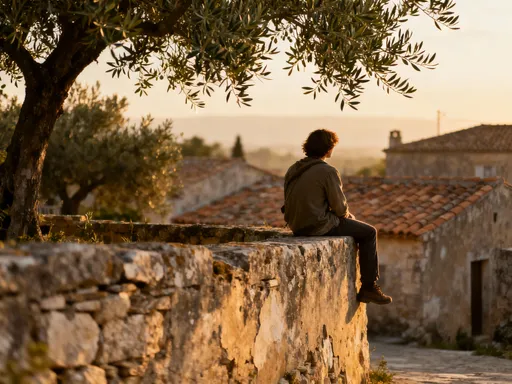
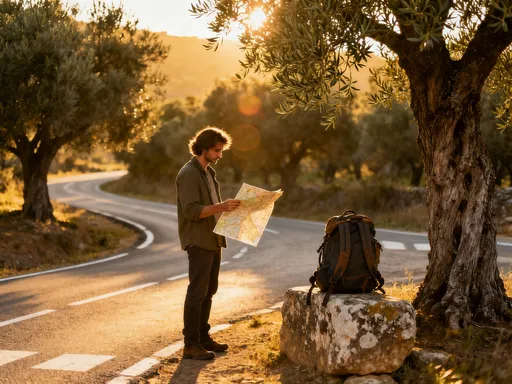
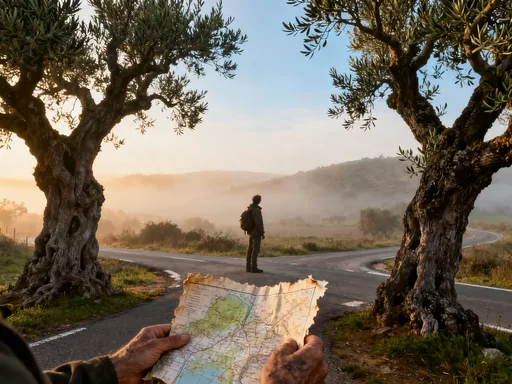
Consider the story of Clara, a teacher from Manchester, who spent three weeks in a small agricultural community in northern Portugal. She arrived without a detailed itinerary, only a desire to understand rural life. She helped gather olives, attended a local festival honoring the harvest, and learned to prepare traditional bread from an elderly neighbor. These moments did not make headlines, but they reshaped her sense of connection—to people, to place, to purpose. Her journey was not extraordinary in location, but in intention. She traveled not to escape, but to engage. This, ultimately, is the heart of the shift: from taking photos to making meaning, from observation to participation.
Choosing Destinations with Soul
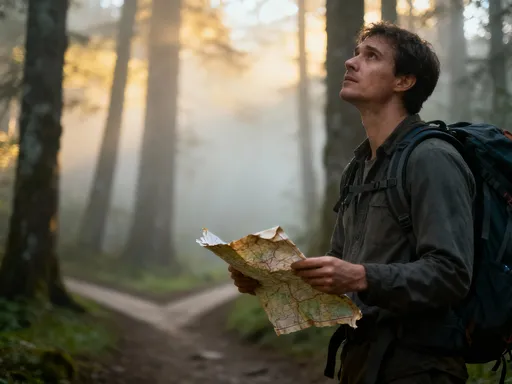
How do you find places that speak to you? In an age of algorithm-driven suggestions and viral Instagram spots, the art of destination selection has become both easier and more misleading. A place may be beautiful, yet fail to nourish the soul. Meaningful travel begins long before departure—with introspection. What are you seeking? Quiet reflection? Cultural immersion? Creative inspiration? When travelers clarify their intentions, the process of choosing a destination transforms from random scrolling to purposeful alignment. The most resonant journeys often begin not with a map, but with a question: What kind of experience do I want to carry home?
Destinations with soul are not always the most famous. They are places where authenticity outweighs spectacle, where life unfolds not for cameras, but for living. Think of Comporta, a serene coastal enclave in Portugal where rice fields meet wild dunes and artisans shape pottery in open-air studios. Or consider Shirakawa-go in Japan, a UNESCO-listed village nestled in the mountains, where thatched-roof farmhouses stand like silent sentinels of a bygone era. These locations do not rely on luxury resorts or crowds to define their value—they offer stillness, tradition, and a deep sense of place.
Similarly, the coastal town of Sidi Bou Said in Tunisia offers a mosaic of blue-and-white architecture and winding alleys perfumed with jasmine. It is not on every tourist itinerary, yet it holds a magnetic pull for those drawn to art, history, and Mediterranean rhythm. Travelers who choose such places often do so after research that goes beyond travel blogs—conversations with locals, reading regional literature, or learning basic phrases in the native language. This preparation is not logistical; it is emotional. It signals respect and readiness to receive, rather than extract.
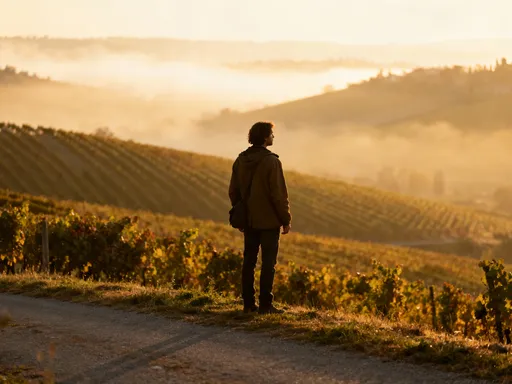
Seasonality also plays a quiet but vital role. Visiting a destination during its off-peak months can transform the experience. Fewer people mean more space for reflection, more access to residents, and often lower costs. A spring visit to Kyoto, before the cherry blossom frenzy, allows for contemplative walks through moss-covered temples. A late autumn trip to Tuscany reveals golden vineyards and misty mornings, with trattorias bustling only with locals. When destinations are chosen with mindfulness—matching personal values with local rhythms—they reveal layers often hidden to passersby. The map becomes less important than the mood one seeks to inhabit.
Designing the Experience Backbone
What structures create lasting memories? Behind every transformative journey lies an invisible framework—an experience backbone that balances intention with openness. This is not a rigid schedule filled with hourly activities, but a gentle scaffold that supports discovery without constraining it. The most memorable trips often follow a rhythm: a few key moments deliberately planned, and ample space left for the unexpected. Think of it as planting seeds—certain experiences are intentionally sown, while others grow naturally from chance encounters and local invitations.
Consider the value of embedding a few anchor activities into a trip. These might include a guided foraging walk through a forest in Brittany, where a naturalist teaches how to identify wild herbs, or a cooking class hosted by a family in Oaxaca, where recipes are passed down through generations. Such experiences are not transactional; they are relational. They create a thread that weaves through the days, offering continuity and connection. Research from the University of Surrey suggests that travelers who participate in at least two hands-on cultural activities during a trip are significantly more likely to report a lasting emotional impact.
Yet, the magic often lies in what is not planned. A canceled train, a missed turn, or a rainstorm can lead to a conversation in a village square, a shared meal with strangers, or an afternoon spent in a quiet library. The experience backbone is effective because it provides enough structure to prevent aimlessness, while preserving flexibility for serendipity. Travelers who overly optimize their itineraries—packing every hour with visits—often emerge exhausted, their memories blurred by motion. In contrast, those who build in pauses, who allow time for lingering in a market or re-reading a book in a sunlit courtyard, tend to carry richer, more vivid recollections.
This balance is especially important for adult travelers, who may feel pressure to maximize every moment of a limited vacation. But travel is not a productivity test. It is an invitation to step outside routine, to relearn the value of slowness. A well-designed experience backbone honors both goals: it ensures meaningful engagement while protecting the space needed for reflection. It recognizes that the most powerful moments are often the quietest—the early morning coffee with a host family, the shared silence while watching a sunset over the sea, the spontaneous dance at a neighborhood celebration.
Navigating Culture with Quiet Awareness
How do you connect without disrupting? The heart of meaningful travel lies in cultural reciprocity—a mutual exchange built on respect, humility, and presence. This is not about grand gestures, but small, consistent acts of awareness. It begins with listening—observing local customs, noticing social cues, and resisting the urge to dominate a space. A simple greeting in the local language—“Bom dia” in Mozambique, “Konnichiwa” in Japan, “Salaam” in Morocco—can open doors far more effectively than a camera lens.
Photography, while tempting, requires particular sensitivity. Asking permission before capturing someone’s image is not merely polite; it is an acknowledgment of dignity. In many cultures, a photograph is not a casual snapshot but a sacred act. Travelers who take the time to explain their intent and wait for consent often receive not just a smile, but a story—a grandmother sharing her granddaughter’s name, a fisherman explaining how he mends his nets. These moments cannot be bought or scheduled; they arise from trust.
Participation, too, must be approached with care. Joining a local festival or ceremony is a privilege, not a right. In Bali, for example, temple ceremonies are spiritual events, not performances. Travelers who attend as respectful observers, dressed appropriately and following local protocols, may be invited to offer a small flower or candle. Such gestures are not tourism; they are gestures of inclusion. Community-based tourism programs, such as those in Guatemala’s Lake Atitlán or Namibia’s conservancies, exemplify this principle. They allow visitors to take part in cultural practices while ensuring economic benefits stay within the community.
The key is to approach culture not as a spectacle, but as a living, breathing reality. This mindset shift—from consumer to guest—transforms the journey. When travelers give their time, attention, or support, they create relationships that endure beyond the trip. A traveler who teaches English for a few hours at a rural school, or helps document traditional songs, leaves behind more than carbon emissions—they leave appreciation. And in return, they gain insight. Cultural awareness is not a checklist; it is a practice of presence. It asks not what you can take, but what you can honor.
The Tools That Serve, Not Control
Which apps and gear enhance presence? Technology, when used wisely, can be a powerful ally in travel. Offline maps, translation tools, and digital phrasebooks have made exploration safer and more accessible. A solo traveler in rural Nepal can navigate mountain trails with confidence, thanks to a downloaded topographic map. A family in Morocco can order tea in a Berber village using a voice translator. These tools bridge gaps, reduce anxiety, and foster connection. Yet, when technology dominates the experience, it risks becoming a filter—between the traveler and the world.
Social media, in particular, presents a paradox. While it allows travelers to share their journeys, it can also distract from being in them. A 2023 study by the Travel Wellbeing Institute found that travelers who spent more than 90 minutes daily scrolling or posting during a trip reported higher levels of mental fatigue and lower emotional satisfaction. The constant need to curate content can turn exploration into performance. Instead of feeling the breeze on their skin, they feel the weight of the phone in their hand. The solution is not to abandon technology, but to set boundaries.
Digital minimalism—intentionally limiting screen time—has become a quiet movement among mindful travelers. This might mean scheduling screen-free hours each day, turning off notifications, or using a notebook instead of a phone for journaling. Some carry a standalone camera instead of relying on their smartphones. Others designate one day per trip as a “digital sabbath,” fully unplugged. These practices help travelers reclaim attention, deepen immersion, and return home not just with photos, but with presence.
The best travel tool is not found in an app store. It is curiosity—the willingness to ask questions, to sit still, to wait for a conversation to unfold. A traveler who puts down their phone in a Marrakech square may soon find themselves invited to share mint tea. One who resists the urge to Google every detail may instead learn a legend from a local elder. Technology should support these moments, not replace them. When used with purpose, it enhances the journey. But it must never become the journey itself.
Sustaining the Travel Mindset at Home
Can the journey continue after arrival? Too often, the magic of travel dissolves upon return—the suitcase unpacked, the souvenirs shelved, the routine reclaimed. But the most profound trips do not end at the airport. They ripple outward, reshaping how one sees the everyday. The traveler’s mindset—openness, observation, wonder—can be cultivated at home. It begins with small shifts: walking a different route to the store, visiting a cultural exhibit in one’s own city, or preparing a meal using ingredients from another country.
One practice is to explore your hometown as a visitor. Take a notebook, leave the phone behind, and wander without agenda. Notice the architecture, the sounds, the way light falls on a park bench in the late afternoon. You may discover a mural you’ve never seen, or learn that the bakery down the street is run by a family from Lebanon. This act of rediscovery keeps the traveler’s eye alive. Similarly, engaging with global cuisines mindfully—learning the history behind a dish, supporting immigrant-owned restaurants—extends the spirit of cultural curiosity into daily life.
Journals, too, serve as bridges. Writing about a trip weeks or months later can unearth new insights. What did you misunderstand at first? What memory has grown in significance? Reflection transforms fleeting experiences into lasting wisdom. Some travelers create post-travel rituals—displaying photos in a dedicated album, planting a tree from seeds collected abroad, or hosting a dinner to share stories with friends. These acts honor the journey and integrate its lessons.
The true success of a trip is not measured by distance, but by transformation. Did it soften your assumptions? Did it expand your empathy? Can you now see beauty in what once seemed ordinary? When the traveler’s mindset is sustained, even the most local experience can feel like an adventure. A rainy afternoon becomes an opportunity to read poetry. A conversation with a neighbor becomes a window into another life. Travel, in this sense, is not a break from life—it becomes the way life is lived.
Reimagining the Legacy of a Journey
What does your travel leave behind? Every journey has an imprint—economic, environmental, and social. The most meaningful ones are designed with care, ensuring that the impact is positive, not extractive. This begins with choices: staying in family-run guesthouses instead of international chains, hiring local guides, buying from artisans rather than mass-market vendors. These decisions may seem small, but collectively, they redirect tourism’s benefits to the people who call these places home.
Sustainability is not just about plastic straw boycotts; it is about relationship. A traveler who returns year after year to the same village in northern Thailand does more than enjoy consistency—they build trust. They witness the growth of children, support local businesses through seasons, and become part of the community’s story. This kind of legacy travel fosters long-term connection. It is not about building monuments, but about tending to human bonds across time and distance.
Environmental responsibility also plays a vital role. Choosing trains over short-haul flights, packing reusable containers, and avoiding single-use plastics are practical steps that reduce harm. But deeper still is the act of paying attention—of noticing how a trail is eroding, how a beach is littered, and what local conservation efforts exist. Some travelers volunteer briefly with reforestation projects or beach clean-ups, not for recognition, but as a gesture of care. These actions align travel with stewardship.
In the end, the most meaningful journeys are reciprocal. They change the traveler, yes—but they also gently uplift the places they touch. A woman from Oslo who learns pottery in a Mexican village may later host an exhibition back home, sharing the artisans’ stories. A couple from Toronto who celebrates their anniversary in a Greek island town may continue to support its fishermen through annual donations. These are not acts of charity, but of continuity. They honor the truth that travel is not a one-way exchange. When done with depth, with presence, with heart, it becomes a quiet force for connection—one that endures long after the journey ends.