The Quiet Art of Choosing Where to Wander
Every journey begins with a choice—not of destination, but of intention. In a world where travel is often reduced to checklists and hashtags, the true value lies in choosing places that align with who we are, not just what we see. Thoughtful destination selection enhances every moment, turning simple trips into lasting transformations. This is not about ticking off landmarks, but about designing experiences that resonate. From quiet mountain trails to coastal villages humming with unseen rhythms, the right choice shapes everything: mood, memory, and meaning. Here’s how to choose wisely—and wander well.
The Mindset of Meaningful Travel
At the heart of every fulfilling journey is a quiet but profound shift in mindset—from chasing destinations to cultivating presence. Research from the Global Wellness Institute shows that 68% of travelers report feeling more emotionally connected to themselves and others after taking trips grounded in personal purpose. These aren’t random escapes; they are intentional pauses designed to restore, reflect, and realign. The difference lies in asking not where should I go? but who do I want to be while I’m there? When travelers begin with clarity of intention, even modest itineraries carry the weight of meaning.
Popular destinations often promise grandeur but deliver exhaustion. The allure of trending spots—crowded markets, iconic viewpoints at sunrise, influencer-approved cafés—can quickly give way to sensory overload and emotional detachment. A 2022 study by the European Travel Commission found that over half of leisure travelers abandon at least half their planned activities within the first two days of a trip, overwhelmed by pace and pressure. This suggests a deeper truth: excitement without alignment is fleeting. In contrast, purpose-driven travel fosters resilience, presence, and quieter forms of joy.
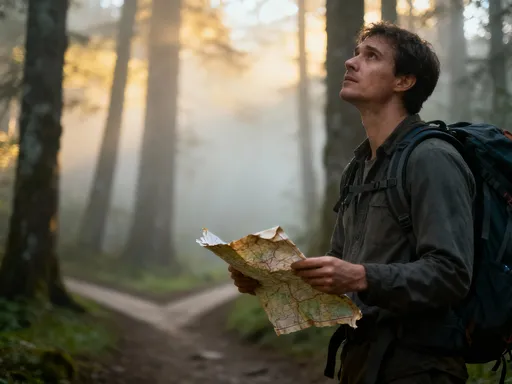
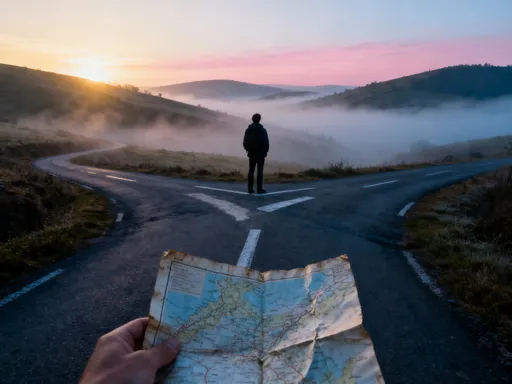
To foster this kind of awareness, a simple self-assessment tool can transform the planning process. Before booking, travelers are encouraged to answer three reflective questions: What am I seeking on this trip—rest, inspiration, connection? What kind of rhythm helps me feel most like myself? And, what would it mean to return home feeling renewed rather than depleted? These prompts don’t demand perfect answers; they invite honesty. The goal isn’t to create a flawless plan but to begin with a compass rather than a checklist.
Once intention is set, adaptive rituals become essential. These are small, repeatable practices—a ten-minute morning walk, a daily journal entry, a digital sunset ritual—that help travelers stay attuned to their inner state. Such habits act as anchors, gently reminding them to pause and recalibrate, especially when external demands pull them off course. Over time, these rituals help transform travel from performance to practice, where the journey itself becomes a mirror of personal values.
Reading the Pulse of a Place
Choosing a destination shouldn’t rely on popularity alone. Instead, it requires what some call “place intelligence”—the ability to sense a location’s rhythm, history, and emotional atmosphere beyond curated photos and viral reels. UNESCO’s 2023 Tourism Pressure Index highlights how many beloved cities now face irreversible strain from overcrowding, with Venice, Barcelona, and Dubrovnik among the most vulnerable. In these places, the local way of life is increasingly overshadowed by tourism infrastructure, making authentic connection difficult, if not impossible.
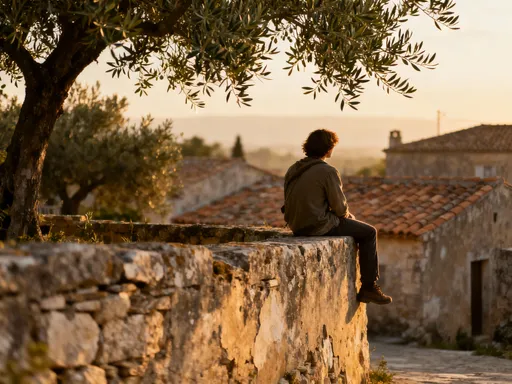
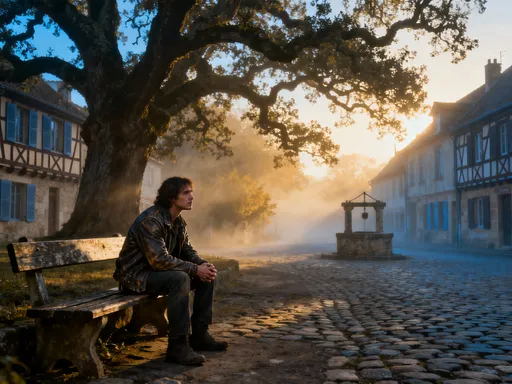
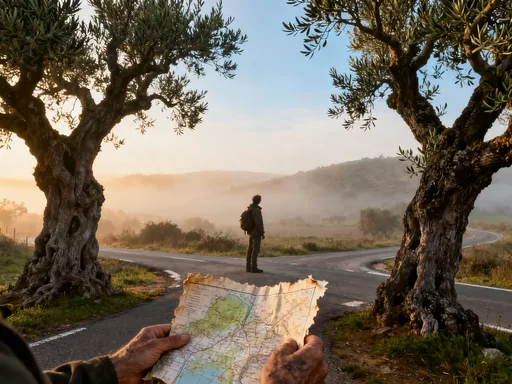
Yet just beyond the well-trodden paths lie quieter alternatives that pulse with authenticity. Consider Lisbon’s Alfama district, where fado music drifts from open windows each evening—a beautiful destination, but one now swarmed by audio-guided tours. Compare this to Monsaraz, a hilltop village in Portugal’s Alentejo region, where whitewashed homes glow under golden light and the only sounds at dawn are church bells and the distant lowing of cattle. There are no souvenir shops, no packed plazas, yet the sense of place is richer, more resonant.
Understanding these nuances requires time, curiosity, and intention. Travelers benefit from observing off-peak patterns—how a city breathes during weekday mornings or rainy afternoons. They can explore what some call the “emotional weather” of a place: Is it hurried or unhurried? Welcoming or reserved? Does it invite participation or observation? These subtleties shape experience more than any single attraction ever could. A bustling metropolis may energize one traveler and exhaust another, not because one is better, but because their rhythms don’t align.
To cultivate place intelligence, modern travelers have powerful tools. Residency blogs written by expatriates or long-term visitors offer honest, unfiltered insights. Off-season climate charts help avoid not just rain but also overcrowding. Community-based travel forums like Slow Travel or World Nomads allow for peer-to-peer guidance rooted in real experience rather than marketing. These resources don’t promise perfection, but they foster awareness—helping travelers choose not only where to go, but how to arrive.
The Hidden Map: Matching Mood to Geography
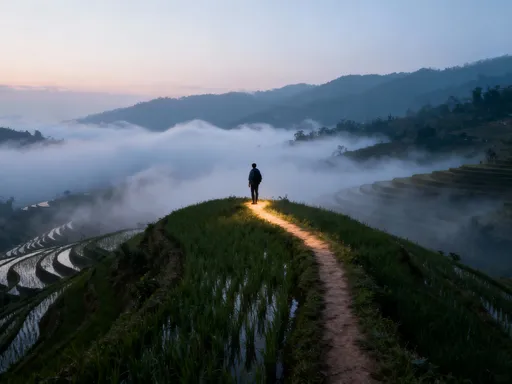
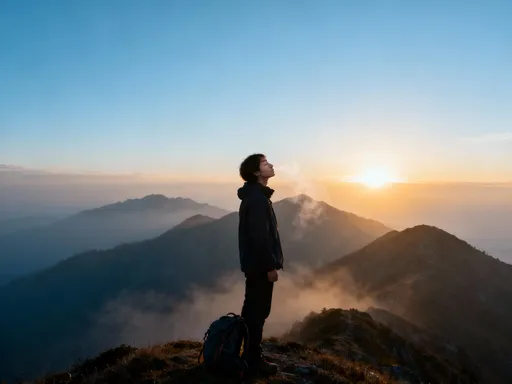
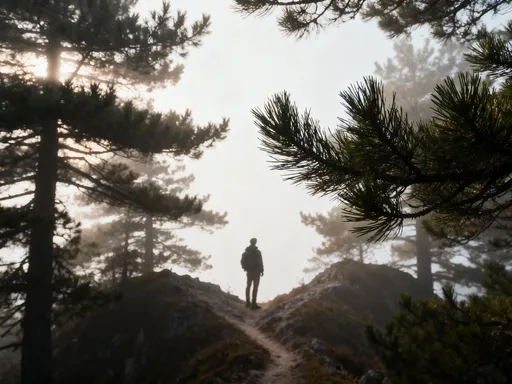
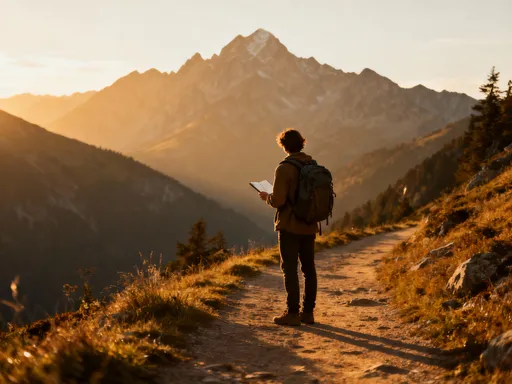
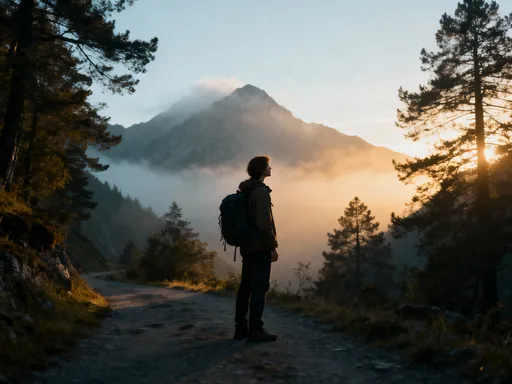
Beneath the surface of every travel decision lies an emotional truth: we don’t just choose destinations—we choose versions of ourselves. The landscape we enter often mirrors our inner state, acting less as an escape and more as a reflection. A weekend by the sea might feel like release; a forest hike, like grounding; a mountain trail at dawn, like clarity. This quiet resonance is no coincidence. Environmental psychologists have long observed that natural settings influence mental state—coastal environments lower cortisol levels, woodlands reduce rumination, and high altitudes can stimulate alertness and introspection.
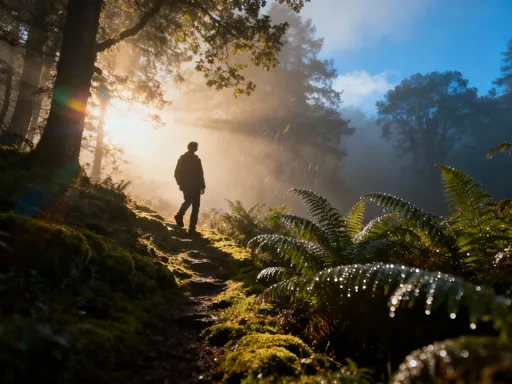
A growing body of research from the University of Exeter supports this: individuals who spend time in nature report a 30% reduction in symptoms of mental fatigue and improved emotional regulation. But rather than treating nature as a universal remedy, the deeper insight is alignment. Not all landscapes heal in the same way. When someone feels restless, a dynamic city or coastal path may offer grounding through motion. When overwhelmed, a quiet forest or lakeside retreat can provide sanctuary. When inspired, a culturally rich village or artistic enclave can deepen creative flow.
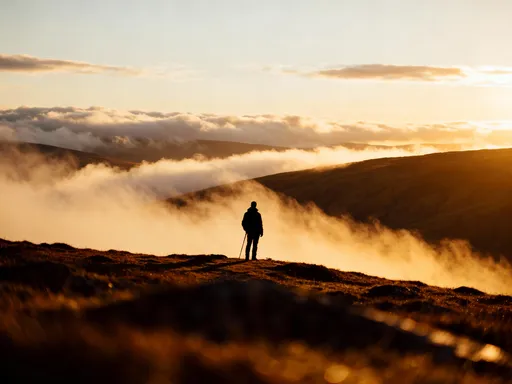
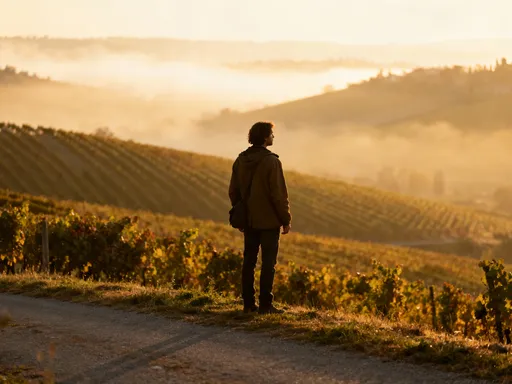
This leads to a powerful reframing: your itinerary as a mirror, not an escape. Instead of fleeing stress with a packed vacation, consider what kind of environment would allow you to process it. A stay in the Scottish Highlands may not be about photos, but about walking in silence until thoughts settle. A week in a Tuscan village may not be about wine tastings, but about joining locals in the slow rhythm of daily life. These choices honor internal truth rather than external expectation.
For those unable to take extended trips, the concept of stringing small bets together offers a practical alternative. Rather than waiting for one annual vacation, travelers can design micro-trips—long weekends, spontaneous drives, overnight stays—that respond to shifting emotional needs. A Friday escape to a lakeside cabin when feeling drained, a museum tour in a nearby town when seeking inspiration. These small layers of intention accumulate, turning travel into a living practice rather than a rare event.
Flow Over Itinerary: Designing for Fluid Days
One of the most common yet overlooked sources of travel disappointment is the illusion of control. A meticulously planned itinerary—packed with timed entries, back-to-back tours, and optimized routes—often unravels within 48 hours of arrival. According to a 2023 survey by Booking.com, 74% of travelers admit to abandoning their original schedule entirely, either due to fatigue, weather, or simple serendipity. This doesn’t indicate failure; it reveals a deeper truth: travel thrives not on precision, but on possibility.
Consider a typical day in Kyoto, Japan—a city where beauty often reveals itself in stillness. A traveler might begin with a morning tea ceremony, not scheduled down to the minute, but allowed to unfold: the quiet whisking of matcha, the warmth of the bowl, the hush between sips. From there, a walk through the Arashiyama bamboo grove, not to capture the perfect photo, but to listen to the creaking stems above. No GPS, no timer, just presence. These unstructured moments often become the most vivid memories—not because they were planned, but because they were permitted.
Rigid checklists, while comforting in theory, often generate stress and sensory overload. They create a pressure to perform, to see, to document. In contrast, fluid structures open the door to serendipity. A flexible framework can include one “anchor moment” per day—a meaningful activity such as a local cooking class, a morning market visit, or a guided garden tour—while leaving the rest of the day open. This balance offers focus without rigidity, intention without pressure.
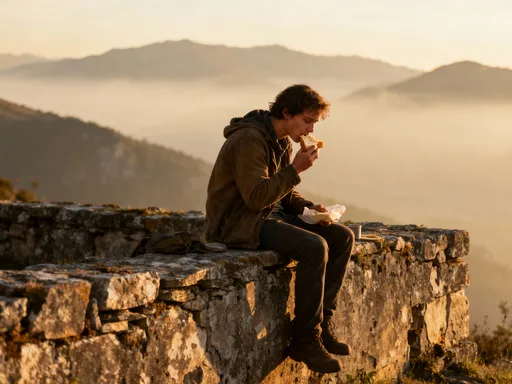
The art of waiting, wandering, and watching becomes central. These are not passive states, but acts of presence. Waiting at a village train station, watching life unfold. Wandering without destination, letting curiosity lead. Watching artisans at work, children playing, elders chatting on benches. These moments allow deeper connection—not only to place, but to self. They are also deeply aligned with adaptive rituals, preserving emotional and physical energy for real engagement rather than forced productivity.
The Wisdom of Low-Volume Travel
In an age of “mileage pride,” where frequent flyer status and destination counts dominate travel conversations, a quieter, wiser approach is emerging: low-volume travel. This philosophy values depth over distance, presence over pace. Rather than racing through five countries in ten days, it invites travelers to spend a full week in one region, getting to know its rhythms, its people, its weather. The rewards are profound: stronger local connections, richer personal memories, and a significantly lower carbon footprint.
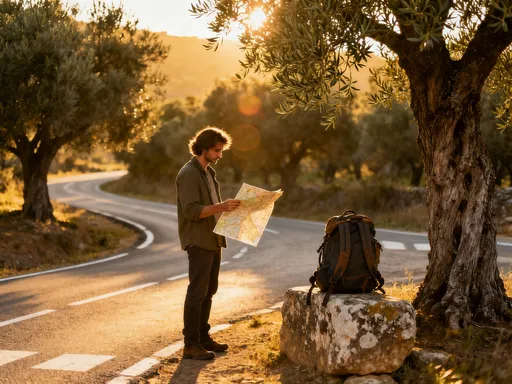
Consider a case study: two itineraries in southern Spain. The first covers Madrid, Córdoba, Seville, Granada, and Valencia in ten days—fast trains, packed sights, nightly hotel changes. The second dedicates seven days to rural Andalusia: a single guesthouse in a whitewashed village, daily walks through olive groves, shared meals with neighbors, and time spent at a ceramic workshop. While the first may yield more photos, the second yields more meaning.
Extended stays reduce cognitive load—the mental effort required to navigate new environments, languages, and routines. A 2021 study published in Travel Psychology Quarterly found that travelers who stayed in one location for at least five consecutive nights reported 40% higher levels of relaxation and integration compared to those on multi-stop tours. They were also more likely to recall specific details—names of people they met, flavors of meals, textures of local crafts.
To evaluate a destination’s “depth potential,” travelers can ask simple questions: Are homestays available? Are there opportunities to learn a skill—pottery, bread-making, textile weaving? Can I attend a community event, a local festival, or a weekly market? These indicators suggest a place open to connection, not just consumption. The shift is subtle but significant: value is no longer measured by how far you went, but by how fully you were there.
From Planning to Presence: Closing the Intention-Gap
Between the dream of a trip and its reality often lies a quiet gap—the intention-gap. We imagine calm, connection, and clarity, but arrive stressed, distracted, and overbooked. The issue isn’t the destination, but the disconnect between planning and presence. Common breakdowns include overbooking, digital distraction, and unrealistic pacing. A packed schedule might look impressive on paper, but it rarely sustains well-being.
To close this gap, a pre-departure ritual proves invaluable: the “intention alignment check.” This involves reviewing the itinerary through three lenses: clarity, flexibility, and authenticity. Does this plan reflect what I truly need? Is it flexible enough to absorb change? And does it allow space for unscripted moments? Each category can be scored from 1 to 5, creating a simple dashboard. A low score in any area signals a need for adjustment—perhaps cutting one activity, adding a rest day, or turning off notifications during key experiences.
The goal is to design days that still feel like yours, even abroad. If you thrive on quiet mornings, build them in—even if it means missing a popular breakfast tour. If phone-free time grounds you, designate hours to disconnect. One powerful strategy is to include a “no-schedule” day every four to seven days, planned from the outset. This isn’t laziness; it’s strategic restoration. It allows tired minds to reset, curiosity to return, and presence to deepen.
Such choices reflect a deeper respect—for one’s limits, rhythms, and values. They honor the fact that travel is not about transformation on demand, but about creating conditions where growth can unfold naturally. When the plan supports presence, the journey becomes not just enjoyable, but integrating.
The Afterglow: Turning Travel into Lasting Shift
Perhaps the most underappreciated phase of travel is the return. After the excitement fades and the photos are shared, many face what psychologists call the “three-day return slump”—a dip in mood and energy as the contrast between travel serenity and daily routine becomes stark. Without reflection, even the most transformative trip can dissolve into a pleasant memory, its insights lost to the rush of laundry, emails, and schedules.
Yet the true value of travel often emerges only afterward, when lessons surface in quiet moments—a new tolerance for slowness, a shift in priorities, a deeper appreciation for simplicity. These shifts don’t happen automatically; they require deliberate practice. Reflection rituals act as bridges, converting experience into growth. Keeping a memory journal for the first week home—writing not just what you did, but how you felt—can strengthen emotional recall and deepen insight.
Another powerful practice is the shared meal. Invite friends or family over, display photos not on a screen but as printed images on a table, and tell stories with presence. These gatherings don’t just celebrate the trip—they reintegrate its essence into daily life. Equally effective is the “one-thing change” challenge: choosing a single habit to carry forward, whether it’s brewing tea slowly each morning, walking without headphones, or saying no to unnecessary commitments.
Crucially, sustainability depends on what can be called consent-based scaling—adopting changes only as long as they feel true and nourishing. There’s no need to overhaul life overnight. Instead, let travel serve as a gentle rehearsal for a more conscious way of living. Each journey, no matter how small, offers an invitation: to choose with care, to arrive with presence, and to return with intention. In this way, travel ceases to be an escape. It becomes a quiet practice of becoming more fully oneself—one thoughtful destination at a time.