Where the World Unfolds: A Traveler’s Path to Meaningful Journeys
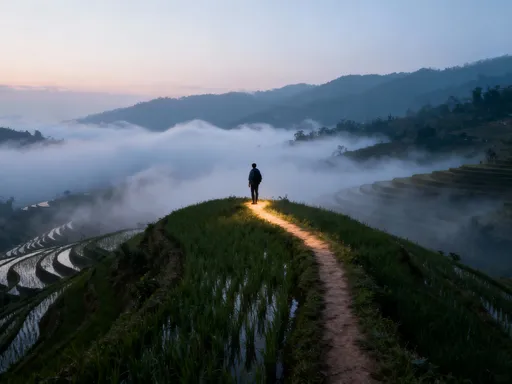
Travel is more than movement—it’s transformation. Every journey begins with a choice: to step beyond routine and embrace the unknown. From the misty highlands of northern Vietnam to the sun-drenched coasts of Portugal, destinations offer more than scenery—they reveal pieces of ourselves. This guide unveils how thoughtful destination selection, mindful preparation, and immersive experiences converge to elevate travel from escape to evolution. It’s not about ticking landmarks off a list, but about tuning into places that resonate. With purposeful planning and present awareness, each trip becomes a chapter in a deeper story. These journeys do not merely fill vacation days—they reshape perspectives, soothe weary spirits, and awaken dormant curiosities. For many, especially those balancing family, home, and personal well-being, travel is not indulgence; it is renewal.
The Art of Choosing Where to Go — Beyond the Brochure
Choosing a travel destination should feel less like consulting a ranked list and more like listening to an inner compass. While glossy brochures and trending social media reels often spotlight famous cities, the most meaningful journeys frequently begin where the crowds thin and the soul thickens. Consider Kyoto in spring: beautiful, yes, but also teeming with tens of thousands of visitors drawn by cherry blossoms. Overtourism in such cities—Barcelona, Venice, Bali’s Ubud region—has strained infrastructure, raised living costs for locals, and diminished the authenticity once promised by these places. According to the World Tourism Organization, destinations like Dubrovnik and Santorini now face seasonal population surges that exceed local capacity by up to 300%, turning charming alleys into congested corridors.
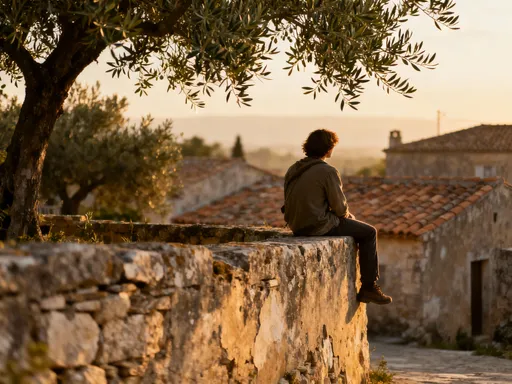
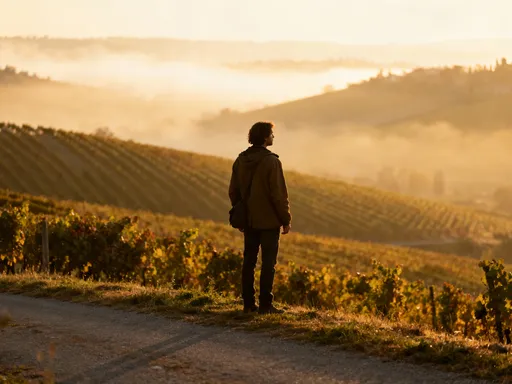
Yet beyond the postcard-perfect hotspots lie alternatives equally rich in beauty and cultural depth. Slovenia’s Vipava Valley, for example, offers vineyards draped over gentle slopes, elders tending kitchen gardens behind stone walls, and air thick with the scent of wild thyme. Unlike the hurried pace of coastal resorts, time here moves with the rhythm of seasons and meals shared at long tables. Similarly, northern Portugal’s Douro Valley invites slower exploration—river terraces carved by generations, family-run quintas offering wine tastings under fig trees, and village festivals marked by handmade bread and fado music sung in hushed tones. These places do not demand selfies; they invite presence.
When selecting where to go, travelers—especially those seeking balance and meaning—should reflect on what they hope to feel, not just what they hope to see. Does the destination encourage stillness or constant motion? Does it offer opportunities for connection—with people, nature, tradition—or merely commerce and consumption? A study by the Global Wellness Institute found that 68% of travelers over 30 now prioritize emotional well-being over checklist tourism. This shift suggests a deeper hunger: the desire not just to visit, but to belong, even if only for a few days. Choosing a destination, then, becomes an act of alignment—between curiosity and calm, between exploration and restoration.
Designing the Itinerary as a Living Framework
An itinerary need not be a rigid script; rather, it should serve as a living framework—one that supports discovery without suffocating spontaneity. Too often, travelers pack every hour with sights, believing that efficiency equates to fulfillment. But research from Cornell University’s No. 19 Journal reveals a surprising truth: people remember unscripted moments most vividly. A sudden conversation with a market vendor in Marrakech, a child offering a wildflower in rural Ireland, or stumbling upon a village choir rehearsing in a stone church—these unplanned interactions linger far longer than any scheduled tour.
The key lies in structuring time with openness. For instance, in Kyoto, instead of mapping each temple visit to the minute, travelers might block mornings for planned visits but reserve afternoons for “no-plan hours.” These are deliberate gaps—untouched by reservations or timetables—where intuition and serendipity lead. In Morocco, a buffer day between desert excursions and coastal stays allows recovery from long drives and creates space for unexpected invitations—perhaps tea with a Berber family or a hand-guided tour of a spice garden. Such flexibility reduces decision fatigue and nurtures emotional receptivity.
Another effective strategy is theme-based planning. Instead of organizing days by geography, travelers can structure them around experiences: a “taste” day might focus on local markets, cooking classes, and family meals; a “texture” day could emphasize tactile engagement—walking barefoot on pebbled beaches, running fingers over ancient stonework, or touching raw silk in a weaving workshop. Time-blocking, borrowed from productivity disciplines, helps maintain focus without rigidity. Allocating two-hour windows for specific activities—followed by 30-minute buffers—allows for delays, reflection, or extended conversations. This method strengthens intentionality while honoring the unpredictable rhythm of travel life.
Elevating the Everyday: Crafting Micro-Experiences
While grand landmarks have their place, the soul of a journey often resides in its smallest moments. A steaming bowl of udon slurped at a Kyoto machiya at 8 a.m., before the streets awaken. The glint of sunlight through stained glass as a tram clatters along Istanbul’s old hillside lines at dawn. The warmth of a baker’s smile in Provence as she hands over a just-cooled loaf wrapped in paper. These are not incidental—they are essential. Like brushstrokes in a watercolor, minor details define the full picture, layer upon subtle layer, creating a composite memory far richer than any photograph.
Micro-experiences are accessible to every traveler, regardless of budget or itinerary. They require no tickets, no reservations—just awareness and intention. Arriving early at popular sites avoids crowds and reveals a place in its most intimate state: Rome’s Pantheon quiet and cool at sunrise, Petra’s Siq echoing only with footsteps, a Kyoto bamboo grove swaying gently in the morning mist. Similarly, visiting city parks during golden hour—when light slants low and shadows stretch long—transforms familiar spaces into something poetic. A family-run gelato shop in Florence becomes more than dessert; it becomes a moment of sweetness shared with children under a lavender sky.
Language, too, deepens these moments. Learning just three local phrases—“Good morning,” “Thank you,” “How are you?”—can unlock exchanges that transcend transaction. In Vietnam, saying “Chào buổi sáng” to a street vendor often invites a warm grin and an extra scoop of coffee. In Greece, a whispered “Efharisto” at a seaside taverna might lead to an impromptu lesson in olive oil tasting. These gestures signal respect and openness, shifting interactions from service-based to human-to-human. For travelers, especially women navigating solo or with family, such micro-connections build confidence and belonging.
The Power of Preparation Without Perfection
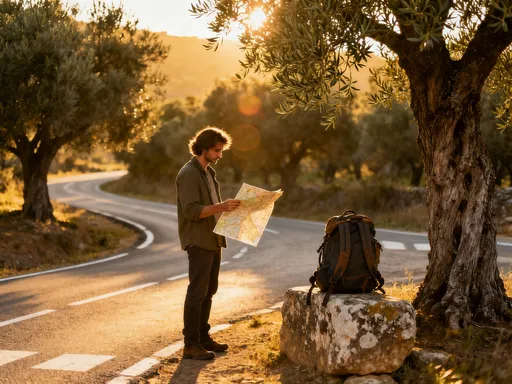
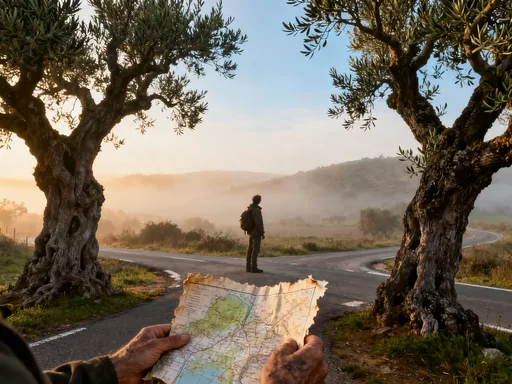
Preparation is not the enemy of spontaneity—it is its foundation. The most fulfilled travelers are not those who wing it completely, but those who prepare lightly and wisely. Knowing how to navigate public transit—whether it’s purchasing a Paris Navigo card, understanding Rome’s bus zones, or downloading Bangkok’s BTS map offline—reduces stress and builds independence. Checking local holidays before departure prevents the disappointment of closed museums or shuttered markets. These small acts of planning are not obsessive; they are empowering.
Yet there is a fine line between readiness and rigidity. The traveler who packs five outfits for every day, prints ten-page itineraries, and schedules meals three weeks in advance often finds themselves exhausted before the journey even begins. A more balanced approach follows the “80/20 packing rule”: 20% of the clothes worn 80% of the time. A capsule wardrobe—neutral tones, layered pieces, comfortable shoes—simplifies decisions and maximizes versatility. Similarly, digital detoxing before departure—unplugging from emails, silencing notifications, and setting an out-of-office message—creates mental space for presence. When the mind is not cluttered with home responsibilities, it becomes more open to beauty, connection, and surprise.
Light preparation also includes emotional readiness. For many women in their 30s to 50s, travel involves stepping away from caregiving roles—mother, spouse, employee—and reclaiming a sense of self. Acknowledging this transition, even with a simple journal entry—“I am not here to manage. I am here to witness.”—can be grounding. Tools like offline maps, translation apps, and emergency contacts stored in multiple places offer security without burden. When research serves peace of mind rather than control, it becomes a quiet companion rather than a demanding taskmaster.
Navigating Culture with Curiosity, Not Assumption
Respectful travel begins with humility. It is not about mastering every custom, but about approaching each culture with curiosity rather than assumption. In Japan, removing shoes before entering homes and certain restaurants is not merely tradition—it is a sign of cleanliness and respect. In Jordan, accepting tea with the right hand (the left is considered unclean in many Middle Eastern cultures) signals politeness. In rural Thailand, covering shoulders and knees when visiting temples is not a suggestion—it is expected. These practices are not barriers; they are invitations to participate meaningfully.
Small behaviors carry weight. In Germany, returning shopping baskets to designated areas is not just efficient—it reflects shared responsibility. In France, greeting shopkeepers with a simple “Bonjour” before browsing is a mark of civility. These gestures, though minor, build goodwill and open doors to warmer interactions. A traveler who observes before acting—who watches how locals queue, how they greet, how they eat—often finds herself welcomed more readily. The phrase “Listen before you speak” applies both literally and symbolically: it encourages quiet observation, patience, and a willingness to learn.
Curiosity also means avoiding cultural clichés. It means not reducing Italy to pizza and pasta, Morocco to souks and camels, or India to yoga and spirituality. Instead, it means engaging with complexity—asking questions, reading local authors, attending community events. In Lisbon, this might mean joining a neighborhood fado night not as a spectator, but as a respectful listener. In Bali, it could mean watching a temple ceremony with stillness, not smartphones. When travelers approach culture as learners rather than consumers, their experiences deepen, and their presence becomes less intrusive.
Sustainable Wanderlust: Travel That Gives Back
Travel need not leave a heavy footprint. In fact, the most sustainable choices often lead to the most rewarding experiences. Consider transportation: according to Transport & Environment, European trains emit just 14 grams of CO₂ per passenger kilometer, compared to 285 grams for short-haul flights. Choosing rail over air for routes like Paris to Lyon, Madrid to Barcelona, or Vienna to Prague not only reduces emissions but also enhances the journey—windows framing rolling hills, conversations with fellow passengers, the rhythm of travel unfolding at ground level.
Accommodation choices matter, too. Opting for locally owned guesthouses, family-run inns, or eco-lodges supports communities directly. In Guatemala’s Lake Atitlán region, homestays with Mayan families provide income while offering travelers authentic cultural exchange. In Bhutan, where tourism follows a “high-value, low-impact” model, visitor fees fund education, healthcare, and conservation—ensuring that tourism enriches rather than depletes. Eating at family-owned restaurants, buying crafts from artisans, and hiring local guides further amplify positive impact.
Sustainability is not sacrifice—it is access. Quieter trails, unspoiled landscapes, genuine conversations: these are the rewards of traveling lightly. Carbon offset programs, when verified and transparent, can balance unavoidable emissions. But true sustainability begins with mindset: the understanding that we are guests, not owners, and that every choice—from plastic use to noise levels—shapes the places we love. For families and women travelers, this ethic fosters a sense of responsibility and connection that lingers long after the trip ends.
Returning Changed: Integrating the Journey Into Life
The journey does not end when the suitcase is unpacked. The most profound impact of travel emerges in the weeks and months that follow—when the calm of the Amalfi Coast infuses morning tea rituals, when the vibrant textiles of Lagos inspire a bolder wardrobe, or when the taste of homemade tagine in Marrakech sparks a weekly cooking tradition at home. Travel shapes identity not through grand declarations, but through quiet assimilation.
Post-trip rituals can deepen this integration. Curating one photo album—printed, not just digital—creates a tactile archive of memory. Writing a letter to your future self, describing how you felt watching the sun rise over Angkor Wat or holding your child’s hand in a Kyoto garden, offers a touchstone for reflection. Even simple acts—displaying a seashell from a Greek island, framing a market receipt from Hanoi, or planting herbs from seeds collected in Provence—anchor the journey in daily life.
For many women, returning home means resuming familiar roles. Yet the self discovered on the road—the one who navigated foreign streets, who laughed across language barriers, who stood in awe of ancient ruins—does not vanish. It integrates. It softens the edges of routine. It reminds us that growth is possible at any age, that curiosity is a lifelong companion, and that the world, in all its vastness and beauty, remains within reach. We don’t just go places—we bring them home. And in doing so, we transform not only our memories, but our lives.