Where the Wild Things Are (and So Are You)
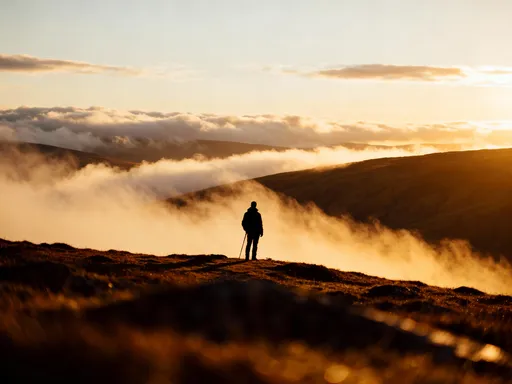
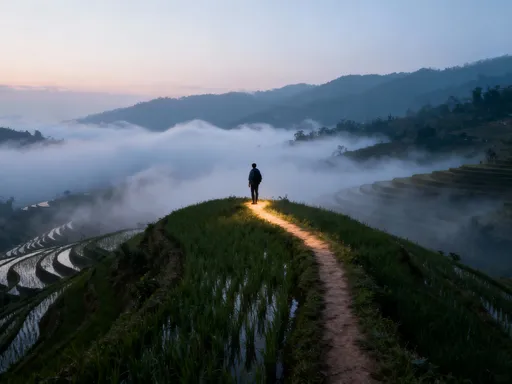
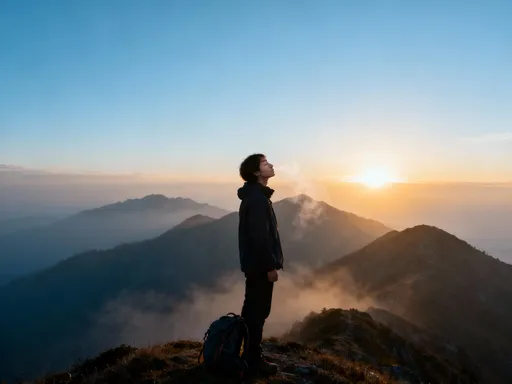
Adventure calls not just to the explorers of old, but to anyone seeking depth beyond the postcard view. Today’s traveler craves more than sights—they seek transformation stitched into the fabric of place. From mist-wrapped mountain trails to the quiet alleys of ancient cities, journeys reshape us. Yet, too often, destinations are chosen by algorithm, not instinct. This guide reclaims travel as a conscious act—blending thoughtful destination selection, immersive experiences, and practical wisdom to turn every trip into a story written in sunlight, soil, and soul.
The Art of Choosing Wisely
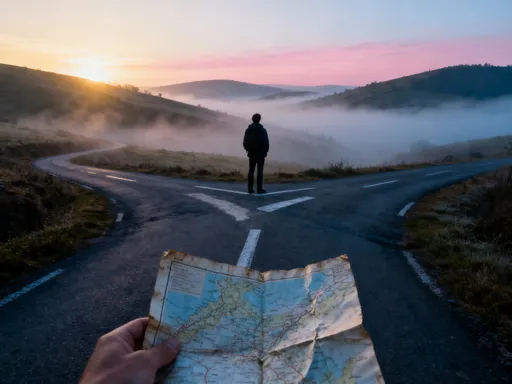
Travel begins long before departure—it starts with a decision that shapes everything: where to go. The destination is not just a dot on a map; it is the stage upon which personal transformation unfolds. Yet many travelers still allow convenience, popularity, or fleeting trends to guide their choices. A resort-heavy itinerary booked for sunshine may disappoint a soul seeking stillness in nature. A fast-paced city break might exhaust someone in need of quiet reflection. The mismatch between traveler and place often begins with a simple question never asked: What do I need this place to do for me?
Intentional alignment means matching inner needs with outer environments. A woman from suburban Ohio who values routine and comfort may find Kyoto’s meditative gardens more enriching than Dubai’s high-speed energy. Another traveler craving connection might thrive in the communal rhythms of Oaxaca, where meal times stretch into hours and neighbors greet each other by name. Climate matters—both physical and cultural. The slow cadence of life in rural Portugal, where siestas shape the afternoon and dinners begin late, cannot be rushed without friction. Understanding the cultural rhythm of a destination prevents friction and fosters harmony.
Data supports this mindful approach. Research has shown that regions with high UNESCO World Heritage site density—such as Tuscany, Kyoto Prefecture, or the Historic Centre of Vienna—tend to attract travelers who stay longer and move slower. These areas encourage lingering, not ticking boxes. When visitors anticipate depth, they naturally adjust their pace. Travel behavior studies also reveal that people report higher levels of satisfaction when their itineraries include open space for unplanned moments—particularly in culturally rich or naturally immersive environments.
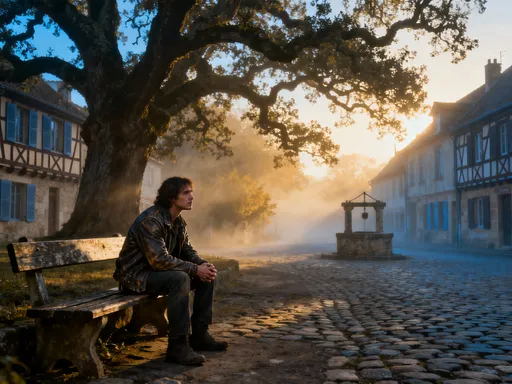
One practical framework for aligning destination with desire is the “listening visit.” Before diving into guided tours or popular attractions, spend an hour sitting in a local square—preferably early in the morning or at dusk—and simply observe. Watch how people move, where they gather, what they carry, how they greet one another. A market stall opening, an elder unfolding a newspaper, children walking to school—these are the quiet indicators of a place’s soul. This simple act fosters humility and connection, setting the tone for a journey rooted in respect rather than consumption.
Regional hubs can serve as anchors for deeper exploration. Instead of hopping between cities, choose a central location and let day trips unfold organically. A cottage in the Cotswolds, a guesthouse in Umbria, or a pensione in Marrakech’s medina allows repeated encounters with the same streets, smells, and faces—deepening familiarity. This continuity builds intimacy. Planning shortcuts, like using rail passes or regional transit cards, reduce daily decision fatigue and increase flexibility. The goal is not to see more, but to feel more in fewer places.
Beyond the Checklist: Experiencing Deeply
Modern travel often moves at the speed of the camera shutter—capture, scroll, repeat. But true transformation lies not in how many sites were visited, but in how many moments were truly felt. Immersive engagement shifts the focus from sightseeing to sense-seeing. It invites travelers to step beyond observation and into participation—through smell, sound, touch, taste, and intuition. A study published in the Journal of Travel Research found that travelers who engage multiple senses during a journey report up to 40% greater emotional well-being and memory retention weeks after returning home.
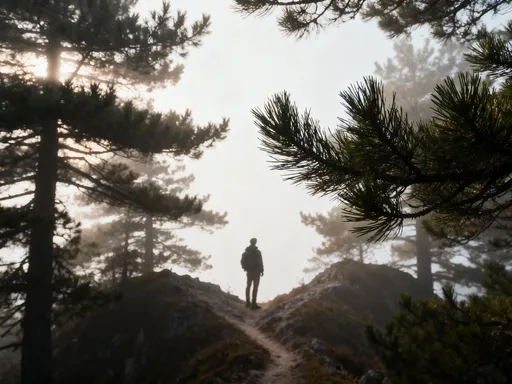
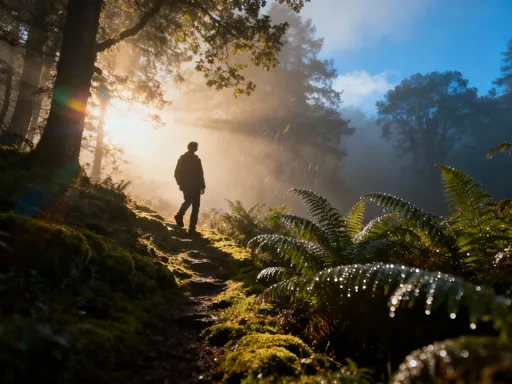
Consider the difference between walking through a Kyoto garden as a photo opportunity and sitting quietly with a bowl of matcha, feeling the cool stone beneath you, hearing the rustle of bamboo, smelling damp moss on ancient lanterns. This is not passive tourism—it is presence. Such experiences recalibrate attention. They draw us out of habitual thought loops and into the immediate world. The forest path isn’t just a trail; it’s a place where breath slows, birdsong replaces notifications, and decisions dissolve into movement.
To cultivate this depth, travelers can adopt micro-practices that ground them in the now. Sketching a doorway, even poorly, forces the eye to notice details—a chipped paint edge, ivy curling around a hinge. Recording ambient sounds—market chatter, waves, temple bells—creates an auditory scrapbook far richer than any gallery of images. Learning one phrase in the local language, such as “Good morning” or “How are you?” opens doors wider than guidebooks ever can. These acts are not performances for others; they are anchors for the self.
The value of presence over pace cannot be overstated. One genuine interaction—a shared laugh with a baker, a brief conversation with a fisherman mending nets—can become a touchstone memory. In contrast, ten rushed photos from ten different locations may blur into forgettable background. Immersive engagement asks travelers to trade speed for substance, volume for vitality. It’s not about rejecting sightseeing altogether, but about choosing which moments to slow down and enter fully.
The Rhythm of Movement
Travel has a heartbeat—its own internal rhythm of movement and stillness. Yet many itineraries ignore this natural pulse, compressing days into packed schedules that mimic workweeks rather than vacations. The result is burnout, even in paradise. A traveler may lie on a white-sand beach, but their mind remains in overdrive, replaying email drafts or worrying about the next train. True rest requires more than location; it requires intentionality in pacing.
The concept of journey rhythm draws from natural cycles—the tide that advances and retreats, the breath that inhales and exhales, the pendulum that swings side to side. Balance is not found in constant motion, but in the alternation between discovery and downtime. Travelers who schedule moments of pause—whether a midday tea break, journaling on a park bench, or an hour with no agenda—report higher levels of clarity and joy. Data from traveler satisfaction surveys show that emotional fulfillment peaks not during peak attractions, but during unstructured moments: a spontaneous street performance, a shared meal with locals, a silent sunrise viewed from a hilltop.
One effective tool is the 60-30-10 rule: 60% of the day is planned (museums, appointments, key walks), 30% is open (space to wander or rest), and 10% is reserved for serendipity—those unplanned discoveries that become legendary. A themed day structure also supports rhythm. A “water day” near a lake or coast might include swimming, a boat ride, a seafood lunch, and sketching ripples. A “color day” could focus on photographing local textiles, markets, or painted doors. These themes create cohesion without rigidity.
Learning to read environmental cues is part of rhythm mastery. When a city begins to feel overwhelming—the crowds too loud, the lights too bright—it may be time to retreat to a garden or café. Conversely, a quiet village may invite lingering over coffee and conversation. Trusting these signals allows travel to become responsive, not robotic. The most memorable journeys are not those with the most stamps in the passport, but those where the traveler remained in tune with their own energy.
Tools That Travel With You
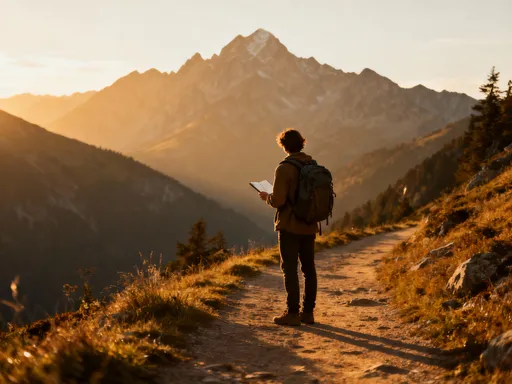
The right tools don’t just carry supplies—they carry mindset. Beyond apps and itineraries, the most powerful travel aids are those that support presence, reduce friction, and enhance connection. A lean but intentional toolkit includes both analog and digital elements, chosen not for novelty but for quiet functionality. Consider a durable notebook—a place to sketch, jot quotes, or record dreams. Unlike a screen, it requires no charging, invites slowness, and holds tactile memories. Paired with a reliable offline map app, it becomes a companion for both navigation and reflection.
The psychology of gear is often overlooked. Overpacking—especially with redundant electronics or excessive clothing—weighs down not only the suitcase but the spirit. Travelers who reduce their load by 20% often report increased mobility and lower stress. A breathable day bag, a reusable water bottle, and a compact umbrella cover most needs. The goal is not minimalism for its own sake, but practicality with purpose. Each item should earn its place by solving a real problem.
Equally important are the humane guardrails—personal rules that protect attention and intention. These are not restrictions, but reminders. Examples include: no screens during meals, asking one local for advice each day, or dedicating ten minutes every evening to journaling. Such habits create structure without stifling freedom. They keep the traveler grounded amid novelty. Traveler checklists, revised after trips, often show a shift from “did I pack everything?” to “did I stay true to my values?” This subtle change reflects a deeper journey.
Navigation as Conversation
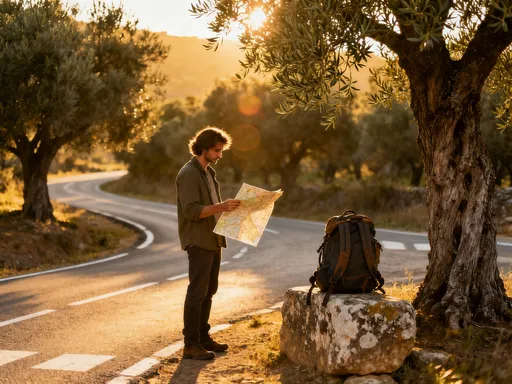
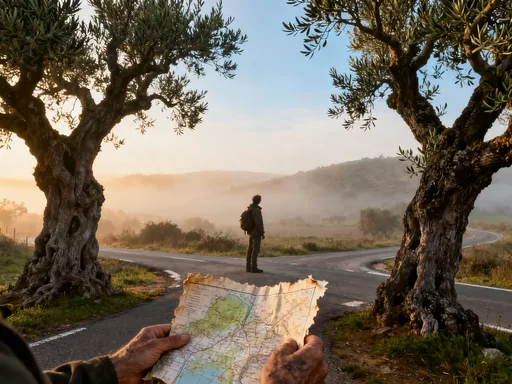
Wayfinding can be an act of connection, not just efficiency. In the age of turn-by-turn GPS, many travelers move through places without truly knowing where they are. The path appears, but the context disappears. Contextual navigation reclaims the journey as a dialogue—with streets, signs, and people. It begins with letting go of the need to always be on schedule. Getting “lost” is not a failure; it is often the threshold to discovery.
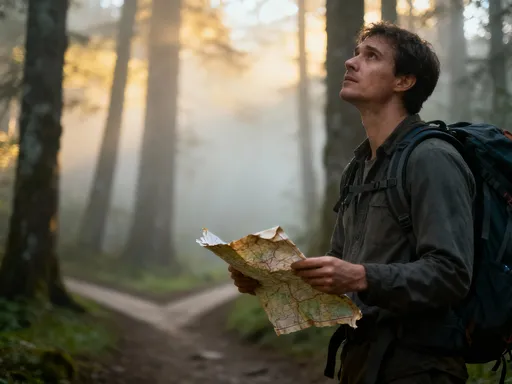
Consider a traveler in Lisbon who abandons the app and instead follows the scent of baking bread. The trail leads to a small bakery where the owner gestures to a hidden staircase behind the counter—up to a centuries-old church courtyard, unknown to most guidebooks. This kind of memory is born not from data, but from trust and curiosity. Studies show that travelers who navigate actively—by asking directions, reading street signs, or using paper maps—retain spatial awareness and emotional connection far better than those who rely solely on GPS.
A hybrid approach works best: use digital tools to plot start and end points, but wander freely in between. Allow detours. Each small deviation writes a sentence in the story of the trip. Asking “Where would you go if you had only one hour here?” often yields more meaningful answers than “How do I get to the museum?” Navigation becomes a conversation not just with place, but with people. It reminds us that travel is not about conquering geography, but about meeting it with openness.
The Keep: Where Memory Takes Root
Journeys end, but their echoes remain—if we let them. Memory is not automatic; it must be invited. Souvenirs often fade in significance, but non-material keepsakes—those gathered with intention—can carry emotional weight for years. A pressed leaf from a forest trail, a tic-tac-toe score scribbled on a train ticket, a voice memo of a street musician—these fragments hold more truth than any mass-produced trinket.
Meaningful memory-making is linked to the sensory and rhythmic practices embraced during the journey. When travelers engage deeply and move with balance, they create mental “bookmarks” that are easier to recall. Post-travel rituals can strengthen this. Writing a five-line poem for each day of the trip distills emotion into image and rhythm. Sharing one photo per week for a month extends the afterglow and invites conversation. Creating a small collage of ticket stubs, notes, and sketches turns scattered moments into a cohesive narrative.
But the deepest keepsake is not an object—it is a feeling. It may be the quiet confidence gained from navigating a foreign city alone, the warmth of unexpected kindness, or the clarity that arrives after days of walking in silence. These are the emotional legacies that shape future choices. They linger not in drawers, but in the way we move through the world afterward—more patient, more curious, more alive.
Travel That Grows With You
Travel is not an escape from life—it is an extension of it. Each journey plants seeds that sprout in unexpected ways: a new hobby, a shift in values, a deeper appreciation for home. When intention leads, experience deepens. When presence replaces performance, transformation follows. The quiet revolutions in how we travel—slower, softer, more attuned—ripple outward, changing not just how we see the world, but how we live in it.
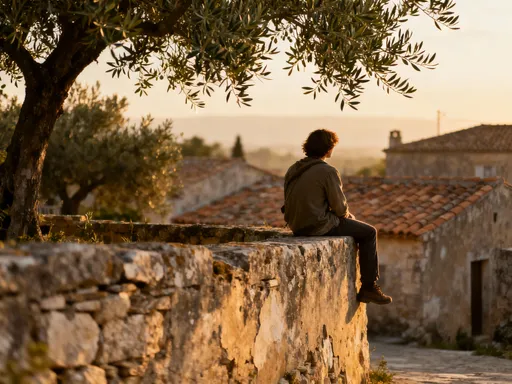
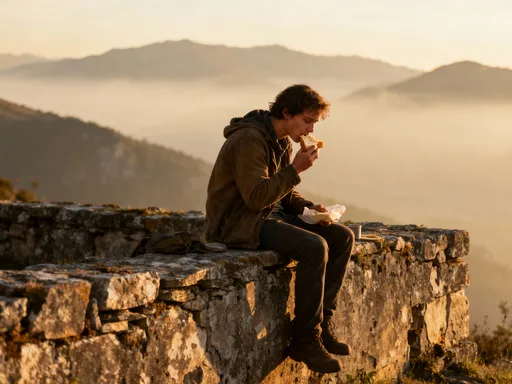
Imagine a traveler not posed at a scenic overlook with a selfie stick, but seated on a sun-warmed stone wall in rural Greece, eating bread bought from a village oven, watching light shift across olive groves. She isn’t chasing landmarks. She is cultivating depth. Her journey is measured not in miles, but in moments of connection. This is the heart of modern travel: not the accumulation of places, but the cultivation of presence.
The world is vast, yes—but the most profound places are not always the farthest. They are the ones we meet with our full attention. Go gently. Listen closely. Return full—not with bags of souvenirs, but with a heart expanded by the wild, wondrous places that mirror our own inner landscape. The wild things are out there. And so are you.